Recycling and Sustainability for Landscaping Brimsdown
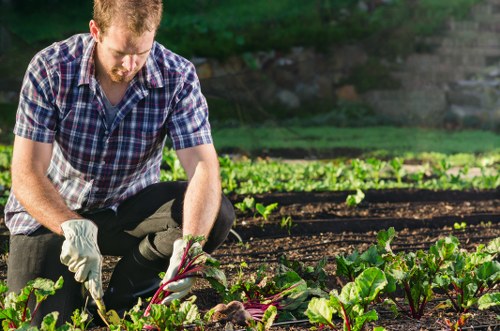 Landscaping Brimsdown is built around a simple idea: create attractive outdoor spaces while keeping waste to a minimum and valuing materials for as long as possible. Our approach to landscaping recycling starts on site, where soil, green waste, old paving, timber offcuts, and packaging are separated carefully so that reusable materials are not mixed with general rubbish. In a busy local environment, this sort of sorting makes a real difference. It reduces landfill use, lowers transport demand, and supports cleaner, more efficient project delivery. We also work with a recycling percentage target that guides everyday decisions: our aim is to divert at least 85% of suitable landscaping waste away from landfill through reuse, recycling, and responsible recovery routes.
In Brimsdown and the wider Enfield area, sustainability also means understanding how local waste systems work. Borough-led waste separation commonly encourages residents and businesses to keep paper, plastics, metals, garden waste, and mixed rubbish apart, and that same principle is useful on landscaping projects. By following similar separation habits, Brimsdown landscaping recycling can be more effective and easier to audit. Soil that is clean enough to be screened may be reused, while stone and concrete can often be sent for crushing and aggregate recovery. Green cuttings can be composted or mulched, helping reduce the need for imported material in future jobs.
 A practical part of our sustainability approach is the use of local transfer stations. These facilities help collect and sort waste efficiently before it moves to its next destination. Choosing nearby transfer points can reduce journey distances and support a lower-carbon workflow for landscaping in Brimsdown. Transfer stations are especially useful for bulky loads such as turf, roots, broken slabs, and mixed excavation spoil. Where appropriate, material can be separated for metal recycling, inert recovery, or green waste processing. This local routing helps the team keep on top of waste streams while maintaining a cleaner and more organised site.
Another important part of our sustainability work is partnership with charities and reuse groups. When landscaping projects involve timber sleepers, usable planters, pots, edging, or surplus topsoil, we look for opportunities to pass items on rather than dispose of them. Some materials may support community gardens, school growing spaces, or local charitable projects that benefit from low-cost or donated landscape items. This kind of collaboration turns ordinary site leftovers into resources with a second life. It also reflects a wider commitment to sustainable landscaping Brimsdown, where the value of materials is measured beyond the immediate project.
 Our recycling process also includes careful handling of packaging and trade materials. Cardboard, shrink wrap, plastic containers, metal fixings, and pallets can often be separated for dedicated recycling routes if kept clean and dry. This is particularly relevant in the borough context, where waste separation standards are becoming more visible across homes, businesses, and construction-related activities. By mirroring that discipline on landscaping sites, we make it easier for material to be processed correctly. Even small actions, such as keeping green waste free from contamination or collecting clean aggregate for reuse, contribute to a more efficient system.
Low-carbon vans are another key part of our environmental strategy. Our fleet planning favours vehicles with improved fuel efficiency and reduced emissions, including low-carbon vans that help lower the footprint of travel between sites, transfer stations, and supply points. For recycling-focused landscaping services, transport can be a major source of emissions, so using modern vans with better efficiency standards is a practical way to reduce impact. Combined with smarter route planning and fewer unnecessary trips, these vehicles support a more sustainable service overall. The aim is not only to manage waste responsibly, but also to cut the emissions created while doing it.
We also apply sustainability thinking to the materials that remain on site. Clean rubble may be reused as sub-base in suitable applications, excavated soil can sometimes be screened and returned, and surplus natural stone can be incorporated into new hard landscaping features. Where materials cannot be reused directly, they are directed toward appropriate recovery channels so that as little as possible goes to landfill. This approach fits well with the borough’s broader waste separation mindset, which encourages sorting at source and better use of local recycling infrastructure. For landscaping Brimsdown projects, it means every stage of the job is considered from an environmental point of view.
 We recognise that sustainable practice is not a single action but a chain of decisions. From the first site visit to final clearance, the team looks for ways to reduce waste, improve segregation, and increase the amount of material that can be recycled or repurposed. In some cases, this includes on-site composting of green waste for later soil improvement, while in others it means arranging separate collections for aggregates, metals, and organic matter. Our Brimsdown landscaping sustainability approach is designed to be practical, transparent, and aligned with local recycling expectations. The target remains consistent: maximise recovery while keeping the overall environmental cost as low as possible.
 Looking ahead, our sustainability goals continue to focus on measurable improvements. Maintaining an 85% diversion target, expanding partnerships with charities, and increasing the use of low-carbon vans all support a more responsible model of outdoor work. At the same time, local transfer stations and careful waste separation help ensure that each material enters the right stream. Whether it is green waste, soil, stone, timber, or packaging, responsible handling makes a lasting difference. For recycling in Landscaping Brimsdown, the ambition is clear: cleaner sites, smarter transport, and a stronger contribution to the circular use of materials across the area.